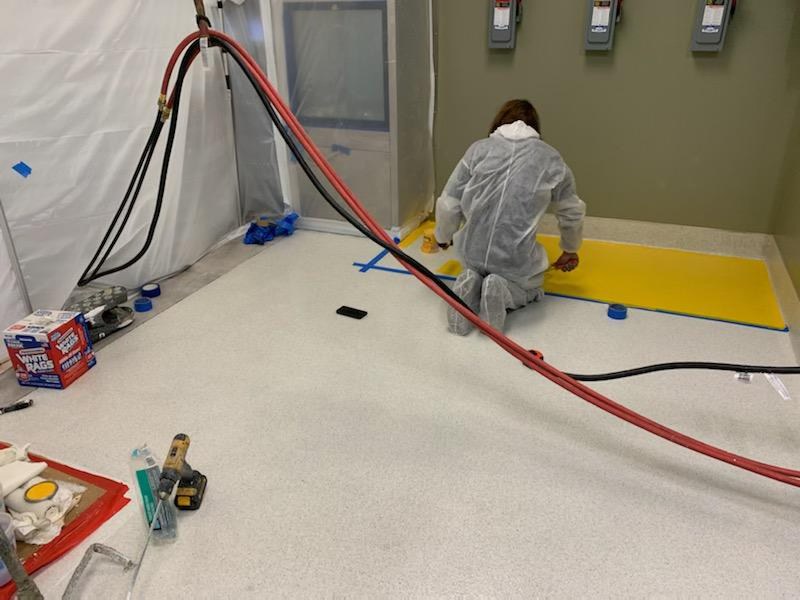
What are concrete floor overlays? They resurface existing concrete floors. You add a layer on top instead of starting over. This works for industrial spaces, stores, and homes. Warehouses might need a durable surface. Businesses trust Epoxy Flooring Colorado for professional installation and long-term reliability. Epoxy Flooring Colorado for professional installation and long-term reliability.. Homeowners might want to update a garage floor without a big project.
In Colorado, concrete floor overlays are popular. Here is why: They are cost-effective, and they improve a space's look and function. But you must get the install right.
If you don't, you will have problems. Expect cracking, peeling, and bonding issues. These problems will cost you more money. That's why it's important to find pros, like RFE, who know what they're doing. They can check your floor, suggest the right overlay, and install it right. This ensures you get a lasting, beautiful floor and avoid common issues.
Surface preparation is key when you install a concrete overlay. You want something new to stick to something old. If the old surface is dirty, loose, or smooth, the new material won't grab well.
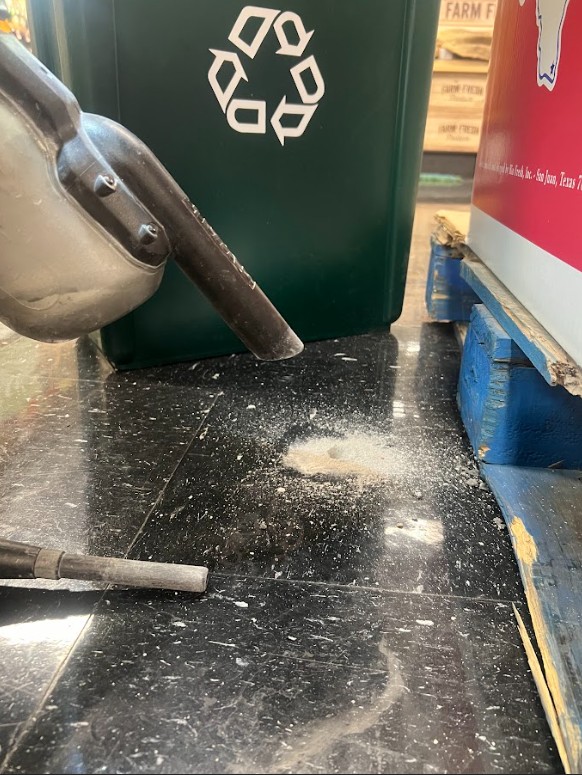
What does proper surface prep mean? First, clean the existing concrete. Remove any dirt, oil, or grease that could prevent a good bond. Then comes grinding. This mechanically roughens the surface. You create a texture that the overlay can grip. Think of sanding wood before painting.
If you skip these steps, you invite problems. The overlay might separate from the original concrete. You could also see cracking. In places like warehouses or auto shops, where heavy equipment moves around, a poorly bonded overlay will fail fast. Colorado's climate, with its freeze-thaw cycles, makes good adhesion even more important. It keeps moisture out and prevents future problems. Skipping prep work means a costly redo.
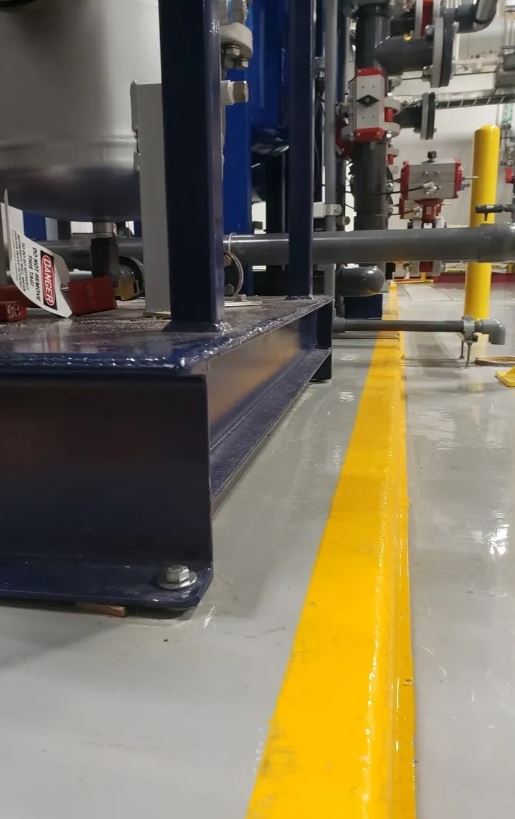
Epoxy overlays are popular, especially in Colorado. They are durable and resist chemicals. This makes them great for garages, warehouses, and some commercial spaces. If you have a high-traffic area or spills are common, epoxy is a good choice. Also, there are many color and finish choices to match your style.
Microcement has a different feel. It is a thin, cement-based overlay for existing concrete. It makes a smooth, modern look. It works for homeowners and businesses that want a sleek, simple design. But, microcement might not be the best for heavy industrial use. It focuses more on looks than toughness. You often see it in showrooms or retail spaces where design matters.
Self-leveling concrete overlays fix uneven or damaged floors. They make a smooth, flat surface ready for tile, carpet, or a polished concrete finish. These are often used in commercial places where you need a level base. They fix unevenness, but they might not look as good as microcement or resist chemicals like epoxy without extra coatings.
How much foot or vehicle traffic a floor gets matters when picking an overlay. For high-traffic areas, like warehouses or retail stores, epoxy or reinforced concrete is best. For lighter traffic areas, like homes, microcement or a thinner self-leveling overlay might work. Match the material's strength to what the space needs to avoid wear.
If your floor will be exposed to chemicals, like in an auto shop or factory, chemical resistance is key. Epoxy overlays usually resist many chemicals. Other overlays might need a special sealant. If you don't consider this, you could have stains, damage, and costly repairs. Always check the chemical resistance of any overlay before you install it.
Are you following the manufacturer's instructions? This isn't just a suggestion; it’s important. These instructions cover everything from mixing ratios to water content and the best way to apply the overlay. Think of it like a recipe. If you mess with the ingredients, you'll end up with a flat cake or salty soup.
The key is to take your time and follow those instructions. If you're not comfortable doing it yourself, especially for larger areas like warehouses or commercial spaces, call a professional. RFE does this all the time in Colorado. We know the climate and materials, and we know how to get it done right. This saves you trouble and money, and you get a floor that looks great and lasts.
One of the biggest mistakes we see in Colorado is overwatering the mix. People think a little extra water will make it easier to spread, but too much water weakens the overlay. This leads to cracking, dusting, and a surface that won't hold up. It’s a disappointment.
Uneven spreading leads to an uneven surface. That's obvious, but it’s easy to do if you're not careful. Air entrapment happens when air bubbles get trapped in the mix during application. These bubbles create weak spots that can later chip or flake.
Are you installing a concrete overlay? Colorado weather can cause problems if you aren't careful. Temperature, humidity, and airflow affect how the overlay cures.
Concrete must dry the right way. High heat causes fast drying and cracks. Extreme cold means slow drying and potential weakness. High humidity stops moisture release, which also hurts the curing process.
What should you do? Watch the forecast. Postpone the job if it will be very hot or cold. If you must pour, control the environment. Use fans to increase airflow, but not so much that the surface dries too fast. You might need to tent the area and use heaters or coolers to keep the temperature steady.
Proper airflow is key. Temperature control is a must. If you ignore these things, you'll get a weak, cracked overlay that needs redoing. You don't want that after putting time and money into the project.
Curing time matters a lot with concrete overlays. Don’t rush. After installation, the overlay needs time to harden and gain strength. Concrete doesn't just dry; it cures. This chemical process requires time.
What if you don't wait? If you use the floor too soon, you risk surface damage. Heavy equipment or lots of foot traffic can cause cracks, chips, or delamination (separation from the original concrete). No one wants that!
How long should you wait? It depends on the product and the environment (temperature and humidity). Always follow the manufacturer's instructions. They know their product best. Expect to wait 24 to 72 hours for light foot traffic. Wait several days (or a week) before heavy loads.
Curing methods also matter. Keep the surface damp (not wet) during initial curing to help the concrete hydrate. Mist it with water or cover it with plastic to retain moisture. Proper curing protects your concrete floor overlay. Don't skip this step!
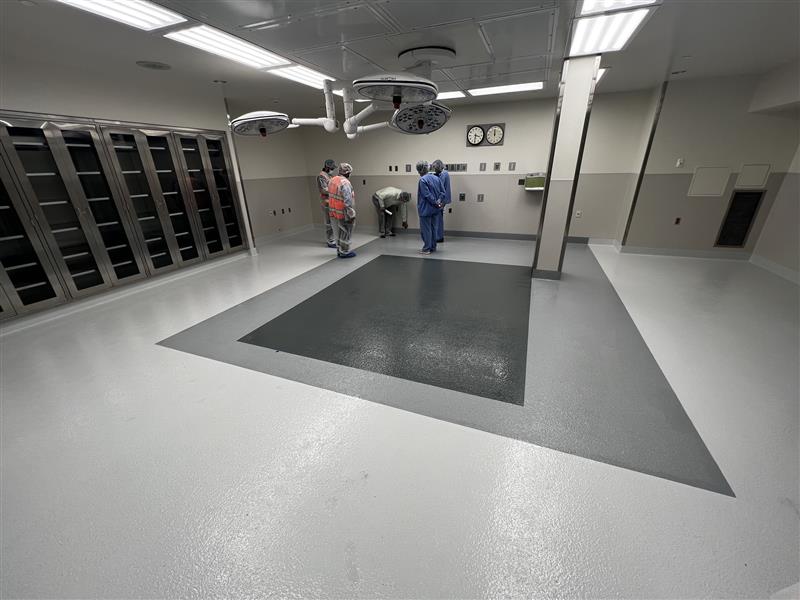
Before you put down a concrete overlay, especially in places with wild temperature swings, examine the concrete you already have. Really look at it.
What kind of cracks do you see? Are they hairline, or are they large? Cracks matter. If you cover them up, they will keep moving. That movement will show up in your new overlay. You'll end up with cracks in your new floor, which defeats the purpose. We usually fill cracks with an epoxy or other repair product.
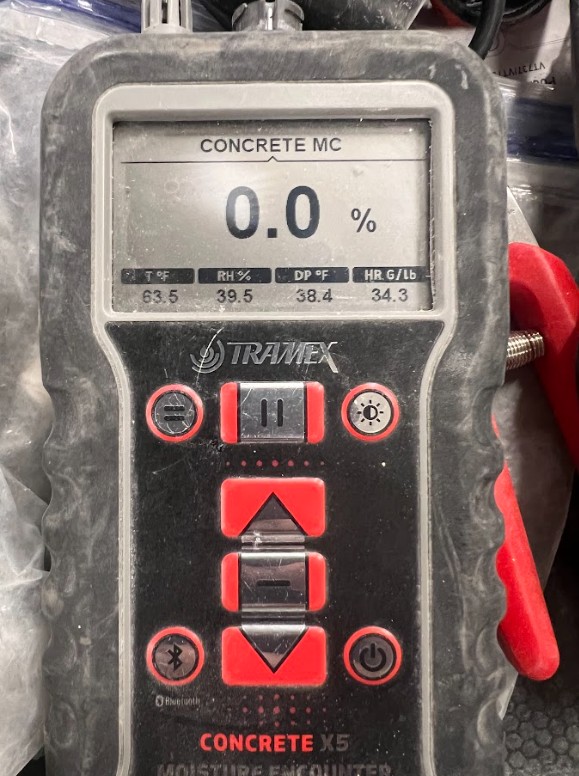
Moisture is also important. Concrete is porous, and water can wick up from the ground. If you seal that moisture under an overlay, you're asking for trouble. It can cause the overlay to pop off. Test the moisture content of the slab. If it's too high, you'll need a moisture control system before the overlay.
What about previous coatings? Was there an old epoxy or sealant? You can't overlay on top of that. It might not bond well. Again, you're looking at the overlay popping off later. Grinding or shot blasting is often needed to get down to bare concrete. This creates a good surface for the overlay to stick to. You're setting yourself up to fail if you skip these prep steps. It's worth the extra time to do it right.
Good sloping and drainage are key, especially with concrete floor overlays in places with varied weather. Without the right slope, water will pool. Pooled water can seep into the overlay, causing cracks and delamination. Your overlay will start to fall apart.
Consider how water will move. Make sure the overlay slopes away from buildings and sensitive spots. A subtle slope is enough to guide water where you want it to go, usually toward a drain.
What about existing floor designs? This can get tricky. You must consider the current drainage. Can it handle extra water runoff from the overlay? If not, you might need more drains or re-grade the area. It's not just adding concrete; it's ensuring the whole system works.
If you have a commercial space like a warehouse or garage, think about what liquids might spill. Oil, chemicals, and more could end up on the floor. You might need a special drainage system for these materials. Ignore this, and you risk costly repairs. Plus, no one wants a slippery, unsafe floor.
Proper surface preparation is paramount for successful concrete floor overlay installation. Failing to thoroughly clean, profile, and repair existing concrete can lead to poor adhesion and premature overlay failure. Contaminants like oil, grease, and dust must be removed, and the surface should be mechanically abraded to create a suitable bonding profile.
Inconsistent mixing of overlay materials can result in variations in strength, color, and texture. Always adhere to the manufacturer's instructions regarding water or additive ratios. Furthermore, incorrect application techniques, such as applying the overlay too thinly or unevenly, can compromise its durability and aesthetic appeal.
Environmental conditions, such as temperature and humidity, significantly impact the curing process of concrete overlays. Installing overlays in extreme temperatures or high humidity can lead to cracking, delamination, or improper setting. Always monitor and control the environment to ensure optimal curing and long-term performance.
When you need concrete floor overlays in Colorado, choose experienced installers to avoid problems. They have seen it all, especially in warehouses, industrial facilities, or auto shops. They know how our climate affects concrete.
One big plus is their skill in preparing existing concrete. If the base isn't ready—cleaned, profiled, and cracks fixed—the overlay will fail. It will crack, peel, or not bond. Seasoned installers know the steps to prevent that.
Also, they know the overlay types and which ones suit each use. A decorative overlay for a garage differs from a high-performance overlay for warehouse forklifts. A bad choice can be costly.
For property managers, healthcare sites, and homeowners, a pro install means less downtime. They finish the job fast and right, limiting impact on your work or life. No one wants a long flooring project. You get a strong, nice floor that lasts, without the worry.
What should you watch out for when you install a concrete floor overlay? Many things can go wrong.
First, planning matters a lot. You cannot just apply this stuff. Consider how the floor will be used. Will it see heavy foot traffic? Forklifts? Chemicals? That all matters when you select your materials. Don't buy cheap materials. I see people make this mistake all the time. Buy quality materials, even if they cost more at first. They will save you trouble (and money) later.
Then there is the actual install. This is not a DIY project for most people. Surface prep is key. You must get the existing concrete clean and ready, or the overlay will not bond. Mixing and applying the overlay takes skill. If it is not mixed right, it will crack or not cure.
Why does this matter? If you own a warehouse, a bad floor means downtime, safety risks, and unhappy workers. If you manage commercial property, expect tenant complaints and repair bills. If you run an auto shop, a bad floor cannot handle the chemicals and wear. Even homeowners with garage floors do not want a cracked, ugly garage floor.
Buying good materials and hiring pros, especially in Colorado with its climate, pays off. You will get a floor that looks good, lasts, and does not cause problems. It is a long-term investment.
Want to change your concrete floors in Colorado? Concrete overlays can help. But the install can be tricky. We can help with that.
At RFE, we focus on concrete floor overlays. We breathe new life into your concrete. Are you a homeowner who wants to fix up a garage floor? Or are you a property manager who wants to upgrade a space? We have options for you. Concrete overlays are a way to improve the look and use of your floors at a good price.
Want to do it yourself? You might, but surface prep is key. If you skip steps or use bad materials, you could see cracks and peels. That's why pro install matters.
We have overlay options for your needs and tastes. We have simple coatings for busy areas. We also have overlays that look like tile or stone. We can make a plan that fits your vision.
Want to see what's possible? Contact us for a free talk and quote. We'll look at your concrete, talk about your aims, and give advice on the best overlay for you. Plus, we promise good work and a finish you'll love. Let's talk about your concrete floor overlay. We're here!