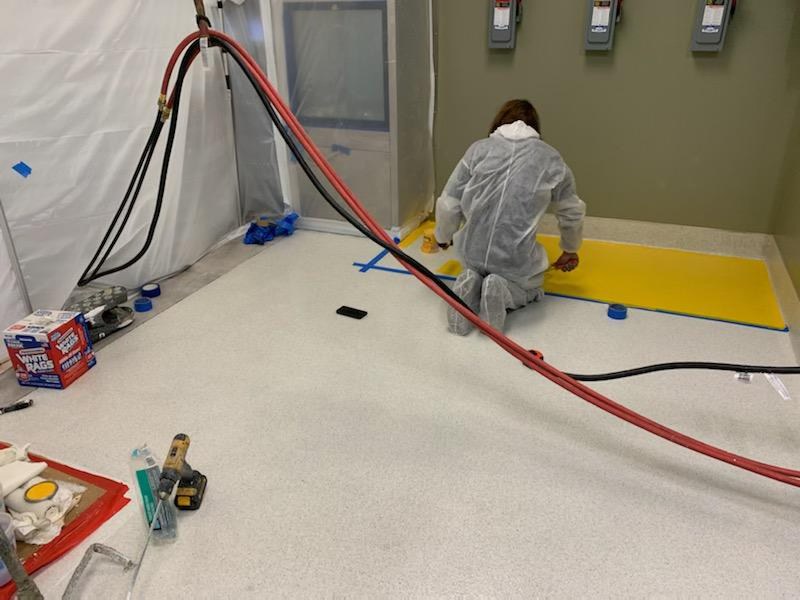
Why is picking the right epoxy flooring contractor so important, especially in Colorado? Colorado's climate can be harsh. Big temperature swings and snow beat down on your floors. A bad epoxy floor install invites problems.
A bad install means cracks, peeling, and a floor that doesn't last. This costs you money for repairs, replacements, and business downtime. Nobody wants that.
With the right contractor – like Resin Flooring Experts (RFE) – you get a floor that lasts. Expect durable, easy-to-clean epoxy coatings that handle heavy warehouse traffic or retail customers. Also, a good epoxy floor looks great. It improves the look of your commercial property, which helps attract customers and keep employees happy.
Choosing the right contractor means investing in a long-term solution that protects your business and saves you money. Think of it as an investment.
Before you look for a commercial epoxy flooring contractor in Colorado, you need to define your needs. A warehouse floor has different demands than a retail space. First, think about your industry. Do you use heavy machinery and forklifts? Or do you have foot traffic and occasional spills?
Traffic volume matters. A high-traffic area needs more durable epoxy. Also, think about aesthetics. Do you want something sleek? Or is functionality your only concern? Maybe you want to add your company colors or logo.
Next, consider the type of epoxy. There are many kinds, and each has strengths. Chemical resistance is important in manufacturing or labs. Impact resistance is key for warehouses. Slip resistance is critical in food processing or healthcare.
Also, consider industry-specific rules. Some industries have strict flooring rules for hygiene and safety. If you mess that up, you could face fines or shutdowns. Do your homework and tell any potential contractor what you need before they give you a quote. This will save you headaches later.
Confirm the contractor has a proven track record with similar commercial projects. Request references and examine their portfolio to assess the quality and durability of their past epoxy flooring installations. A seasoned contractor will understand the unique challenges of commercial settings.
Ensure the contractor carries adequate liability insurance and workers' compensation coverage. Verify they possess all required state and local licenses to legally perform epoxy flooring work in your area. This protects your business from potential liabilities.
A quality epoxy floor depends heavily on proper surface preparation. The contractor should thoroughly assess the existing floor, address any damage, and properly prepare the surface. Ask about their methods for cleaning, grinding, and profiling the concrete to ensure optimal epoxy adhesion.
First, make sure your epoxy flooring contractor has the licenses to work legally in Colorado. This proves they meet the state's standards. Working without a license can mean fines and legal problems for the contractor and you. Always check their license through the Colorado Department of Regulatory Agencies (DORA). Make sure it's valid and covers the work they will do. Don't skip this step; it's key.
Good liability insurance is a must. This protects your business if the contractor damages your property during the epoxy flooring work. Accidents can occur. Without insurance, you might have to pay for repairs. Ask for their insurance certificate and check that the coverage is enough for the project. It's best to be safe when it comes to property damage.
Worker's compensation insurance matters, too. It covers medical costs and lost pay for the contractor's workers if they get hurt on your property. If a contractor lacks this, you could pay for their employee's injuries, which could mean big costs and legal fights. Always check that the contractor has worker's compensation insurance before they start work. This protects you from surprise costs.
Don't just trust what the contractor says. Ask for insurance certificates straight from their insurance company. This makes sure the papers are real and current. Sometimes, scammers show fake or old insurance papers, which leaves you open to risk. Contacting the insurance company gives you extra safety and confirms the contractor's coverage is active. It's a simple step that can prevent problems later.
Checking licenses and insurance protects your business from big money and legal risks. By checking these things, you make sure the contractor is able, responsible, and able to handle any problems during the epoxy flooring project. If you don't, you could be responsible for property damage, worker injuries, and fines for using an unlicensed contractor. Take time to do things right and protect your business.
When you choose an epoxy flooring contractor, especially for a commercial space in Colorado, experience matters. You don't want someone experimenting on your floor.
Start by looking at their past projects. Ask about projects like yours, such as the same type of business or similar square footage. See if they’ve worked on projects in Colorado before. Our climate can be tough, so local experience counts.
Complex jobs are another thing to consider. Maybe you have tricky angles, floor damage, or drainage needs. Can they handle it? Ask for examples of how they’ve solved problems. A good contractor will walk you through their process. Ask for references and call them. It's worth the effort to avoid a flooring problem.
Next, ask them about epoxy systems. Many kinds exist, and the right one depends on your needs. Do they understand the difference between a self-leveling epoxy and an epoxy mortar system? Can they explain why one might be better for your warehouse versus a retail space? If they can't explain the options, that's a warning sign.
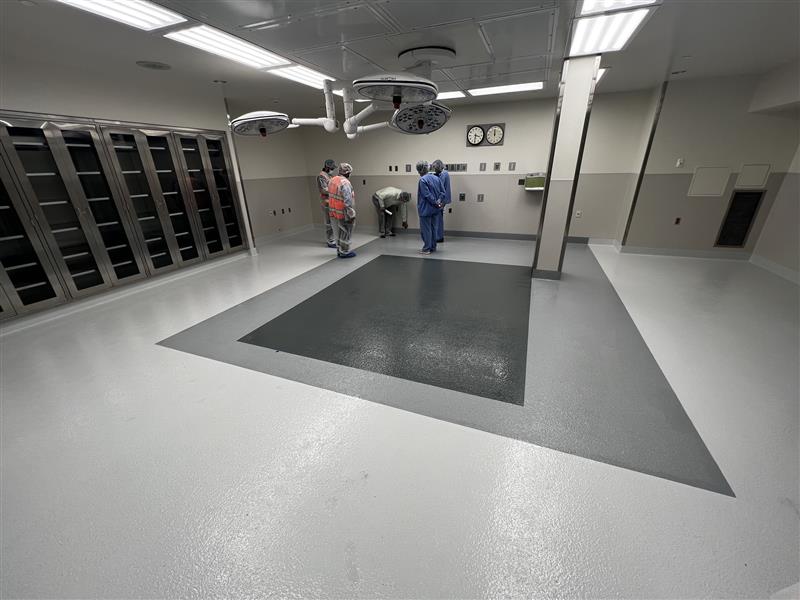
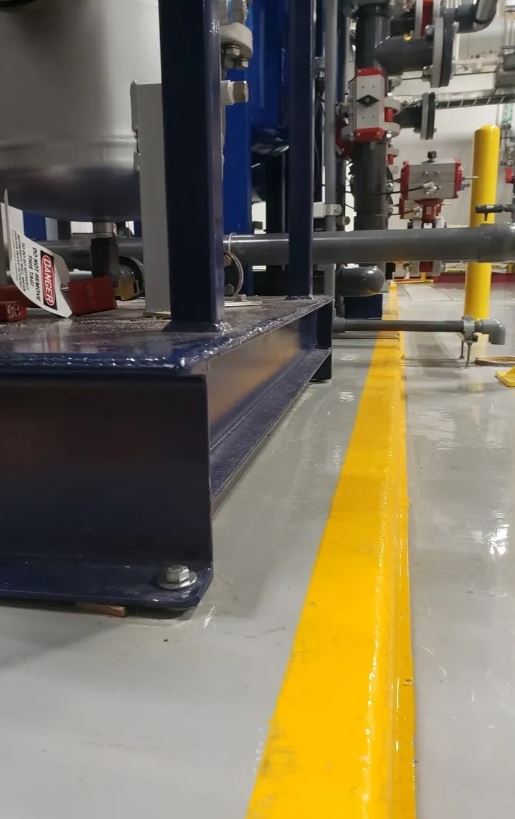
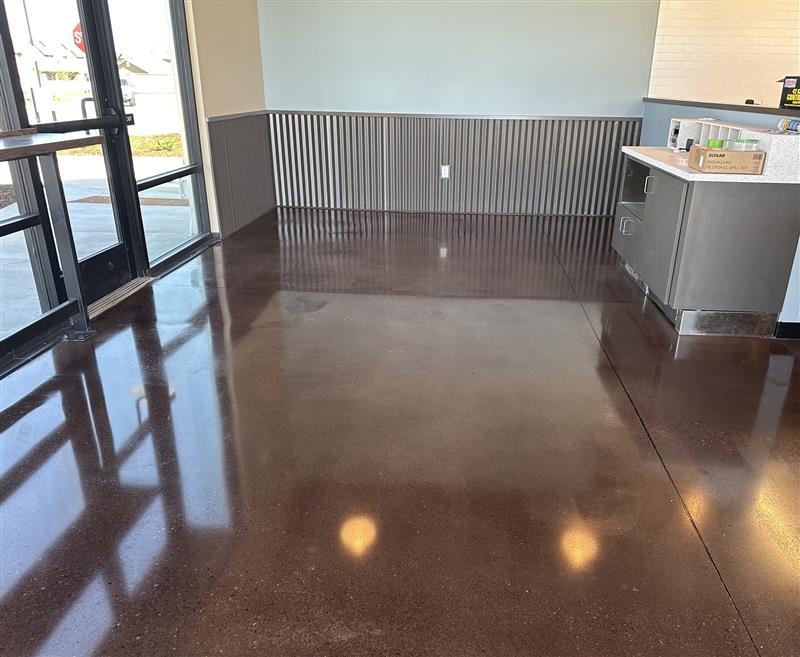
You've narrowed down some epoxy flooring contractors in Colorado. Now you need to dig deeper than their website. You must check out their past work. Look at their portfolio. Do the projects look clean and professional? Do they match what you want for your space? Don't just look at the pictures; think about the details.
Call their references. This is where you get the real story. Ask specific questions. Don't just ask "were you satisfied?" Dig deeper. Ask questions like these:
If a contractor doesn't want to give references, or if the references are vague, that's a red flag. Trust your instincts. This step can save you problems and money. A cheap epoxy job that fails in a year is more expensive than a pricier one that lasts a decade.
When you prepare to hire someone for commercial epoxy flooring in Colorado, you must get detailed proposals from each contractor. Don't rely on a gut feeling or a quick estimate.
A good proposal spells everything out. It includes a clear scope of work. What will they do? What areas do they cover? Will they do prep work, like grinding or patching concrete? What epoxy materials will they use? Brand names and product numbers are helpful here.
You also need a realistic project timeline. How long will it take? What are the key steps? And, of course, a payment schedule. When are payments due, and how much are they?
These proposals protect you. They help you compare contractors. Get multiple quotes. Seriously, get at least three. Comparing quotes gives you a better sense of the going rate and helps you spot red flags. A price that's too low could mean they are cutting corners on materials or labor. Resin Flooring Experts always provide this detail upfront, so you know what you get.
Communication is key when you get epoxy flooring. This is especially true in a place like Colorado, where weather can cause issues. You want a contractor who keeps you informed.
Are they easy to reach? Do they listen when you explain your warehouse floor or retail space needs? It's not just about them telling you what they think is best. It's about a real discussion.
Project management is also important. A good contractor has a solid plan. They should share the timeline, each step, and who is responsible. If they can't, that's a warning sign. Things get messy when nobody knows what's happening.
Responsiveness counts. Problems always arise. Maybe the concrete needs extra prep, or materials are delayed. How does the contractor handle it? Do they vanish, or do they call you with a fix? Good contractors address your concerns fast and keep the project moving. This is vital in commercial settings where downtime costs money. You need that auto shop or medical center back in business quickly, right?
A solid warranty matters. You need to understand what the commercial epoxy flooring contractor guarantees. It covers the materials and the quality of the work.
What should a good warranty cover? Look for coverage against peeling, bubbling, and cracking. Premature wear matters, especially in high-traffic areas like Colorado warehouses or retail spaces. The warranty should state the length of coverage. Is it one year, five years, or more? What conditions could void the warranty? Read the fine print.
Also, consider post-installation support. What happens if you notice a problem later? Does the contractor offer maintenance or advice on how to care for your new epoxy floor? Resin Flooring Experts (RFE) should guide you on cleaning practices for your epoxy coating, whether it's in your auto shop or healthcare facility. Knowing you have someone to call if problems come up provides peace of mind, and it can save you money on repairs. Ask about their support system.
Make sure your commercial epoxy flooring contractor focuses on safety and the environment. This is very important, especially in a place like Colorado, where people care about the outdoors.
First, ask them: How do you handle waste disposal? Epoxy installation can create byproducts, and you want to be sure they have a plan for proper disposal, following all local and federal rules. This includes volatile organic compounds and other chemicals that can be harmful if not handled correctly.
Next, look at their safety rules. A good contractor will have a safety plan for their crew, including ventilation, respirators, and protective gear. Ask about their training and how they keep their workers up-to-date on safety. Also, see if they have a history of safety issues. You can often find this information online or by contacting agencies.
Here is why this matters. It protects your employees and customers from health hazards. It also protects you from legal issues and fines. If a contractor ignores safety and someone gets hurt, you could be responsible. Plus, it's the right thing to do. A good contractor will focus on safety and the environment. Resin Flooring Experts (RFE), for example, understands this and makes it a key part of their process when installing epoxy flooring in Colorado commercial properties. They know that durable, easy-to-clean epoxy coatings for warehouses, retail spaces, and other buildings need to be installed the right way.
Surface preparation matters a lot for epoxy flooring. The best epoxy will fail if the surface isn't ready. No one wants that, especially in a commercial space like a Colorado warehouse.
First, the contractor needs a cleaning plan. They must remove all dirt, oil, and grease that could stop the epoxy from bonding. Think of it like painting. You wouldn't paint over a dirty wall, would you? It's the same idea.
Next is grinding. This step roughens the surface so the epoxy can grip it. This step is key if the floor is already smooth. Contractors might use diamond grinders or shot blasters, depending on the concrete's condition.
Finally, patching fills cracks and holes with a concrete patching compound. The contractor must level everything and let it cure. Otherwise, the epoxy surface will be uneven and prone to cracking later.
If a contractor skips surface prep or lacks a detailed plan, that's a red flag. Ask about their equipment and patching products. Don't hesitate to ask for details. It’s your floor.
When you consider epoxy flooring, don't just look at the initial price. You need to think about the total cost over the floor's life. The install cost is just the start, especially for commercial spaces in Colorado with temperature swings and wear.
Think about upkeep. How easy is it to clean? Cheaper choices might stain easier or need special cleaners, which adds up. Then there's the chance of repairs. A poorly installed epoxy floor, or a bad product, will chip, crack, and peel faster. That means more business downtime and more money spent.
A good epoxy floor, installed right by a company like Resin Flooring Experts (RFE), is an investment. It might cost more at first, but it will last longer, look better, and need less upkeep. We mean a floor that can handle heavy equipment in a warehouse or constant foot traffic in a retail space, while looking professional and being easy to clean. That means fewer repairs, less downtime, and a better return. For places like warehouses, retail spaces, and even auto shops, that strength is key to keeping things going.
Looking at epoxy flooring in Colorado? Keep some state-specific things in mind. Doing this here isn't like doing it in Florida.
First, consider the climate. Colorado weather can be harsh. We get big temperature swings, especially between day and night, and summer and winter. This can affect epoxy as it cures. Make sure the contractor knows how to handle that. They should use materials made for these temperature changes, so you don't get cracking or peeling later. Resin Flooring Experts (RFE) understands this. They focus on coatings that can handle the Colorado climate.
Next, there's the altitude. It affects how epoxy mixes and cures. A contractor who's only worked at sea level might not know they need to change their methods here. Ask about their experience with high-altitude work. It's a fair question.
Last, check local rules. There might be rules about VOCs (volatile organic compounds) or material disposal in your area. A good local contractor will know all of that and will make sure your project follows the rules. You don't want to get fined later.
Looking for an epoxy flooring contractor in Colorado? Epoxy is durable and great for commercial spaces. Before you sign anything, watch out for these red flags. They can save you a headache.
First, a bid that seems too low is a warning. Contractors might cut corners on materials or prep work, or they might lack experience. The floor won't last, and you will pay to fix it sooner than you should.
Always check for insurance and licensing. This protects you if something goes wrong during the install. For example, someone could get hurt, or the floor could be a disaster. A real contractor will show you their credentials. If they avoid the question or can't provide proof, walk away.
Communication matters. Are they responsive? Do they explain things well? If they are hard to reach before you pay, imagine how tough it will be if you have problems after the floor is installed.
Finally, check online reviews. A few bad reviews aren't a deal-breaker, but a pattern of complaints about poor work, missed deadlines, or bad service is a major warning. People often share honest experiences.
Looking for an epoxy flooring contractor in Colorado? Don't just pick the first name you see. Do your homework. You're investing in your property, and you want it to last.
First, check their experience. How long have they done commercial epoxy flooring? Ask for references. Talk to past clients. Were they happy with the work? Did the contractor finish on time and within budget? Were there any surprises?
Next, look at their certifications and insurance. This is important. Make sure they're qualified and that you're protected if something goes wrong. Accidents happen, and you don't want to be liable.
Get multiple quotes. Don't just go with the cheapest. Consider the materials, their experience, and their reputation. Sometimes, paying more now saves headaches later.
Choosing the right contractor means doing your research and making sure they are a good fit. If you choose a reputable and experienced contractor, you're more likely to be happy with the results and get value from your investment.